跳到主要内容
Skip to content
ENGINEERING / MATERIAL REVIEW

Start with your material. Define the right questions.

Send ARKPM the material information behind your project. A focused review helps separate confirmed requirements from the questions that need samples, drawings or an agreed equipment trial.

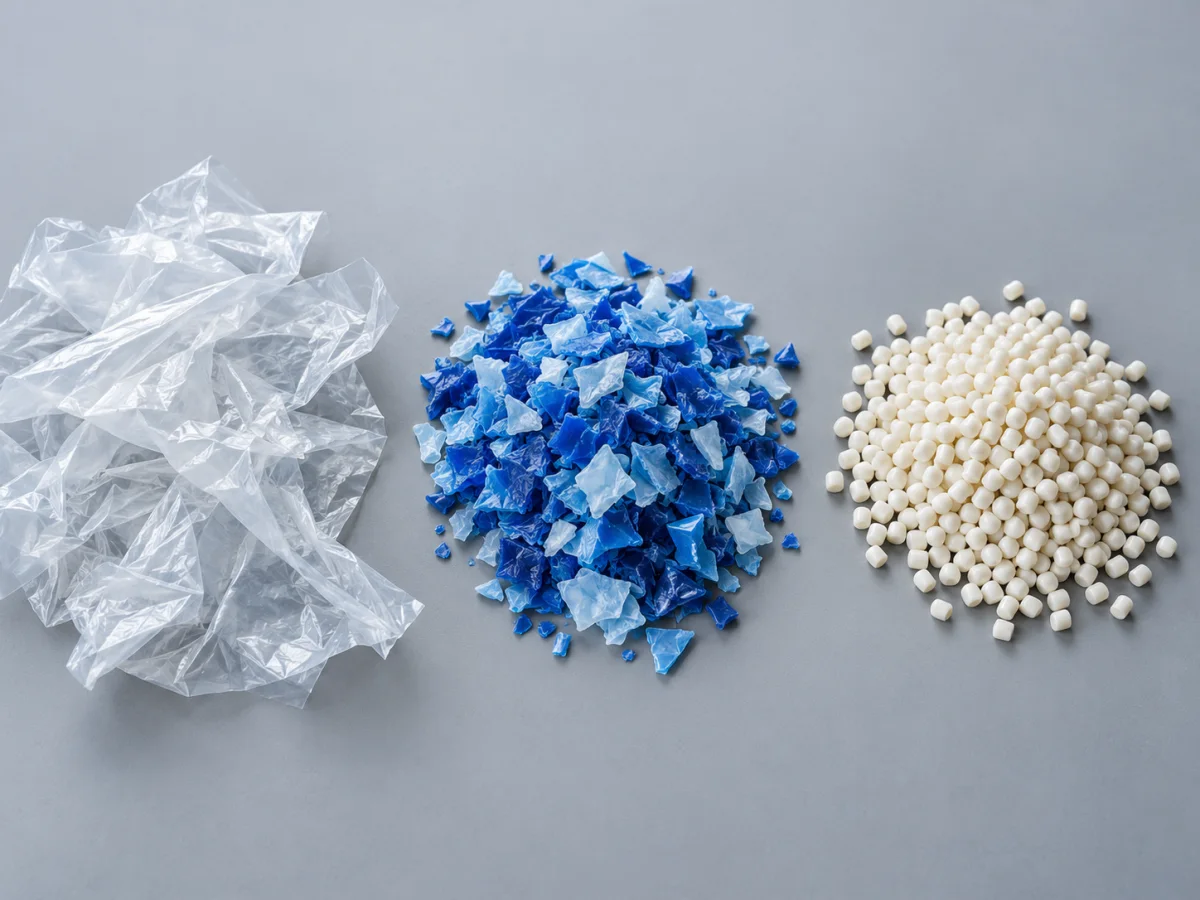
Material concept showing separate plastic film, blue flakes and pale pellets for a machinery assessment
Material concept. Supply photographs and information from your own production stream for assessment.
PROJECT PLANNING

For recycling, describe the incoming condition.

Identify the polymer, source product and physical form of the scrap. Explain whether it arrives as rolls, loose film, flakes, regrind or another defined form. Include preparation history and the collection or storage conditions that affect what reaches the equipment.

Representative photographs should show normal material as well as relevant variation. Record print, labels, visible contamination, fines and moisture observations without presenting an estimate as a laboratory measurement. Keep different streams distinguishable so the proposed configuration can be reviewed against a clear case.

  • Material identity and source, including known grade or composition.
  • Preparation already completed and equipment already available.
  • Expected material variation, changeovers and desired pellet application.
  • Target production output and the way finished pellets will be assessed.
PROJECT PLANNING

For extrusion, connect the resin to a drawing.

Provide the resin manufacturer and grade when known, together with relevant processing information and any additives or recycled content you intend to use. A polymer name alone does not describe the behavior of every formulation. Identify alternatives as separate cases.

Supply the current product drawing and mark the dimensions, fit or visible surfaces that control acceptance. Explain whether the output must be cut to length, wound or collected in another form. The extruder, tooling, sizing, cooling and downstream handling need to be considered together.

  • Drawing revision, cross-section and critical dimensions.
  • Exact resin or proposed formulation and preparation requirements.
  • Primary production product, target output and expected changes of size.
  • Final collection format, surface requirements and measurement method.
PROJECT PLANNING

Turn the information into a reviewable next step.

The initial discussion establishes the material and product boundary, the equipment interfaces and the information that remains open. That may lead to a more detailed configuration review, a request for additional material data or a proposal for representative sample work.

The first review establishes a working basis for the proposal: the intended equipment route, confirmed inputs and the evidence still needed. Material suitability and finished-product acceptance are then addressed through the agreed technical review and evaluation scope.

PROJECT PLANNING

Agree the sample or trial plan before dispatch.

If a sample or equipment trial is appropriate, agree the material identification, quantity, packing, delivery address and evaluation scope with ARKPM first. Trial availability, responsibilities and any costs are confirmed for the individual project before material is dispatched.

Define what the evaluation is intended to establish. Examples include an intake question, a processing concern, a finished-pellet requirement or a dimensional check on an extruded product. Record the material lot, machine configuration, operating conditions and method used to judge the result. A trial result belongs to that documented case.

PROJECT PLANNING

Send one organized material brief.

Use the project enquiry page to outline the request, then send photographs, grade information and drawings to [email protected]. Give the files a clear project name and drawing revision. If information needs restricted handling, agree the communication arrangements before sending it.

Include the destination country and a contact who can answer technical questions. You can begin with the information you already have; clearly identify missing measurements so they can become part of the review rather than an assumption inside the quotation.

SOURCE & COMPANY CONTEXT

Manufacturing context draws on JianTai, the parent company of Ark Plastics Machinery Co., Ltd. The imagery is AI-enhanced from original photographs; explore the source material below.

CONNECT THE REFERENCE TO YOUR PROJECT

Explore the equipment families.

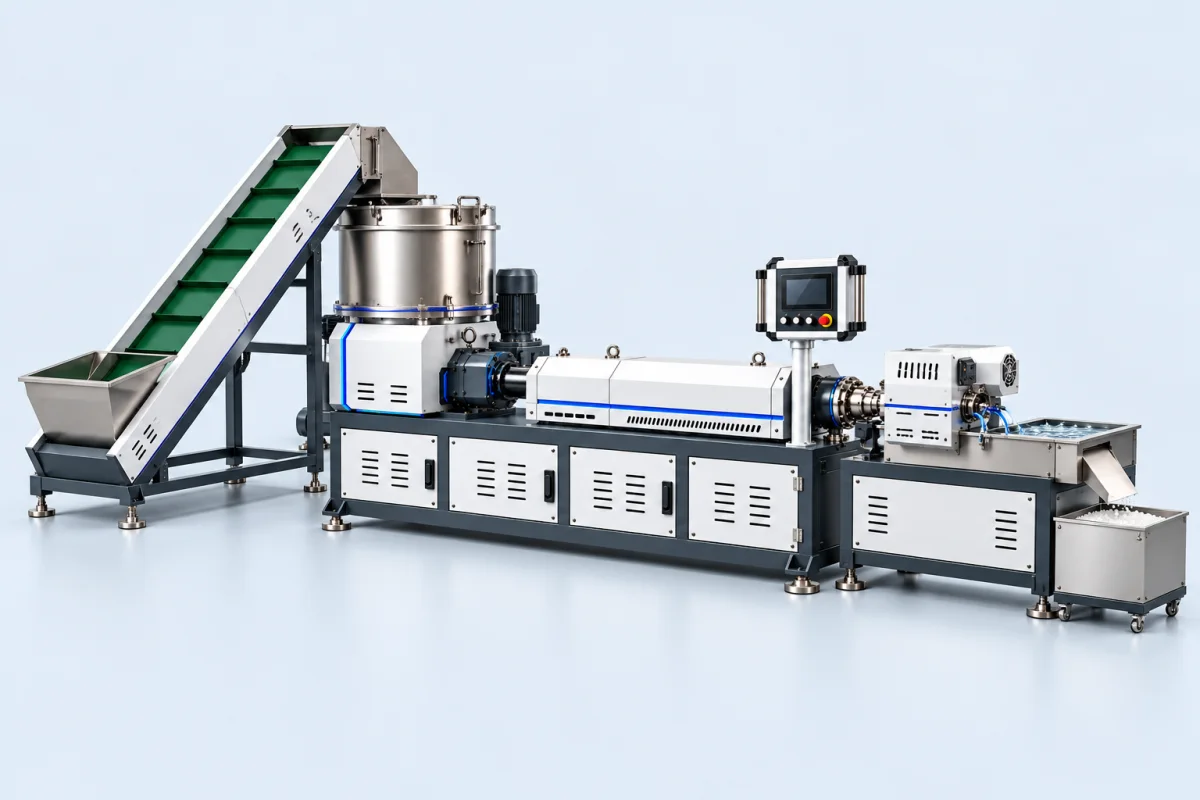
A configurable film recycling and pelletizing system
Plastic recycling machines · Custom configuration

Plastic Film Recycling Machine

Configure a route from identified PE or PP film scrap to pellets, with film intake, melt treatment and collection matched to the incoming condition and intended reuse.

Explore this line
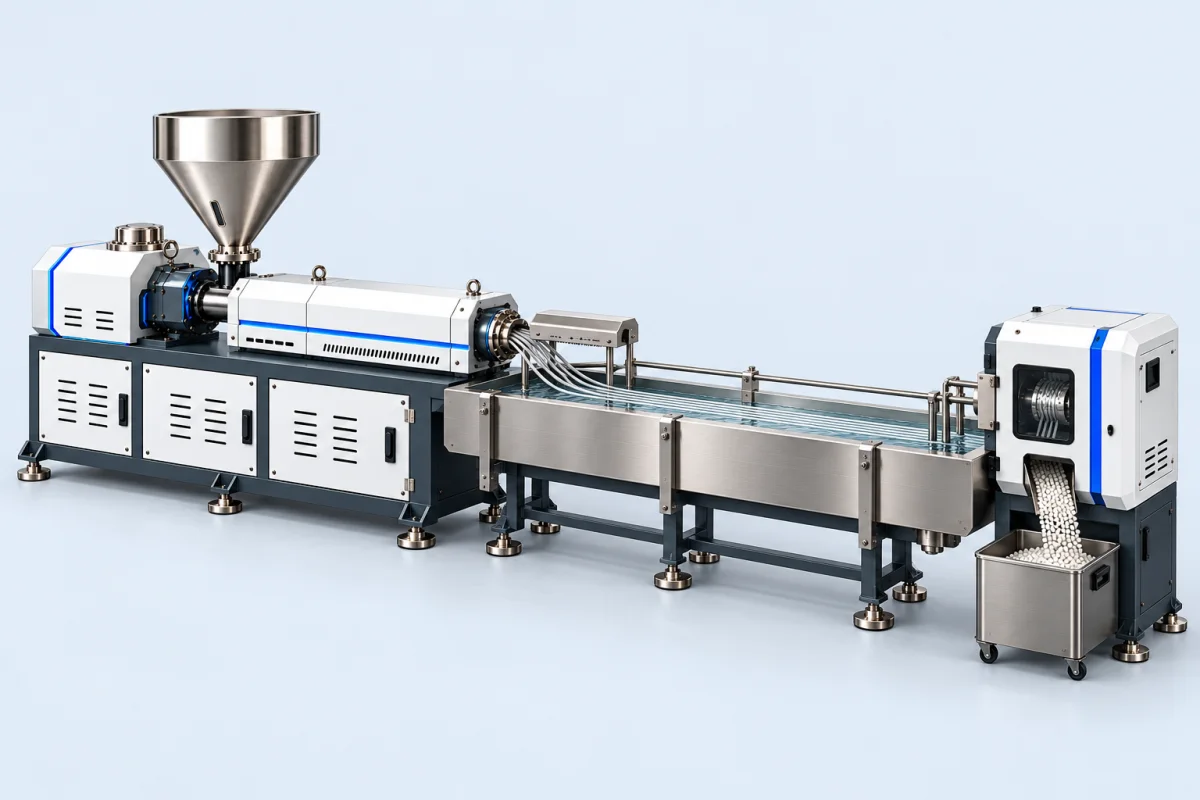
A rigid-plastic recycling and pelletizing system
Plastic recycling machines · Custom configuration

Rigid Plastic Recycling Machine

Process identified rigid regrind through a custom extrusion and pelletizing arrangement, with particle condition, feeding, filtration and the next pellet application considered together in the project brief.

Explore this line
A custom profile extrusion system
Custom extrusion lines · Custom configuration

Plastic Profile Extrusion Line

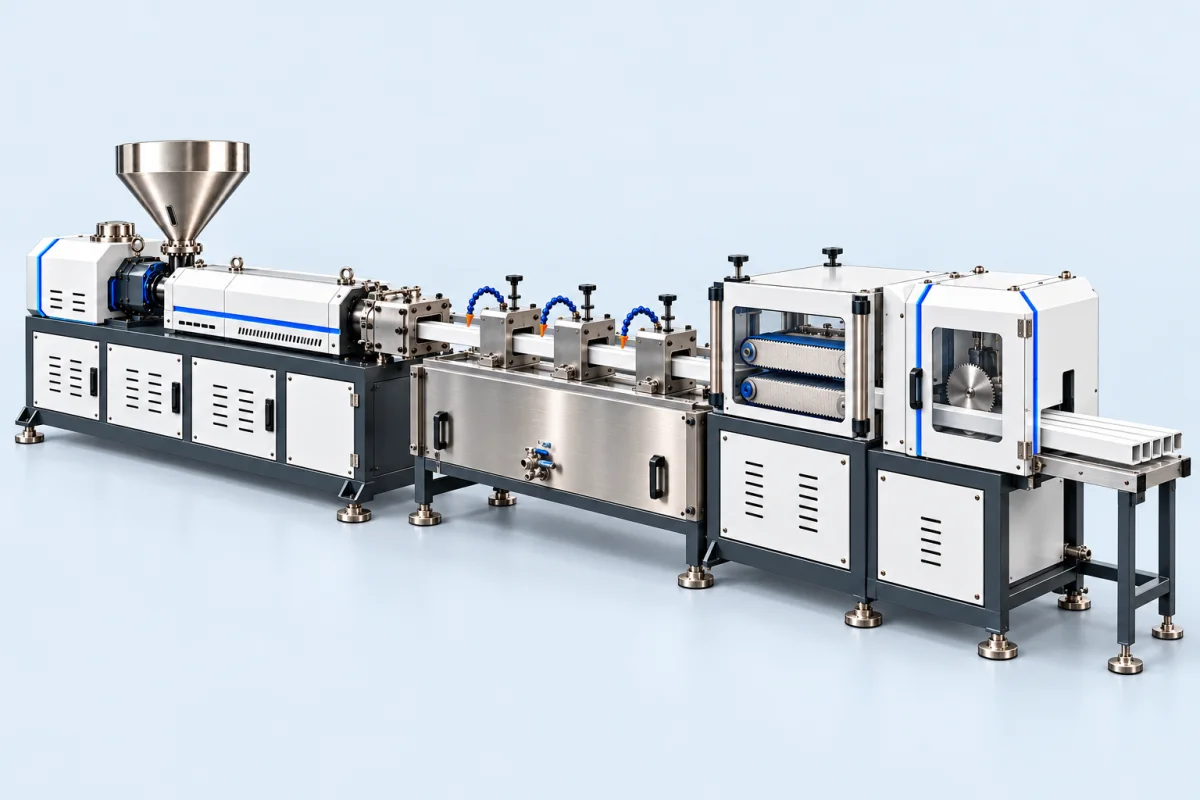
Translate a profile drawing into a custom equipment brief, with section-specific tooling, cooling support, haul-off and cutting planned around critical dimensions, visible surfaces and the intended production mix.

Explore this line

Bring your material.
Define the next step.

Share the incoming condition, intended product and questions you would like the project review to answer.

Discuss your project