跳到主要内容
Skip to content
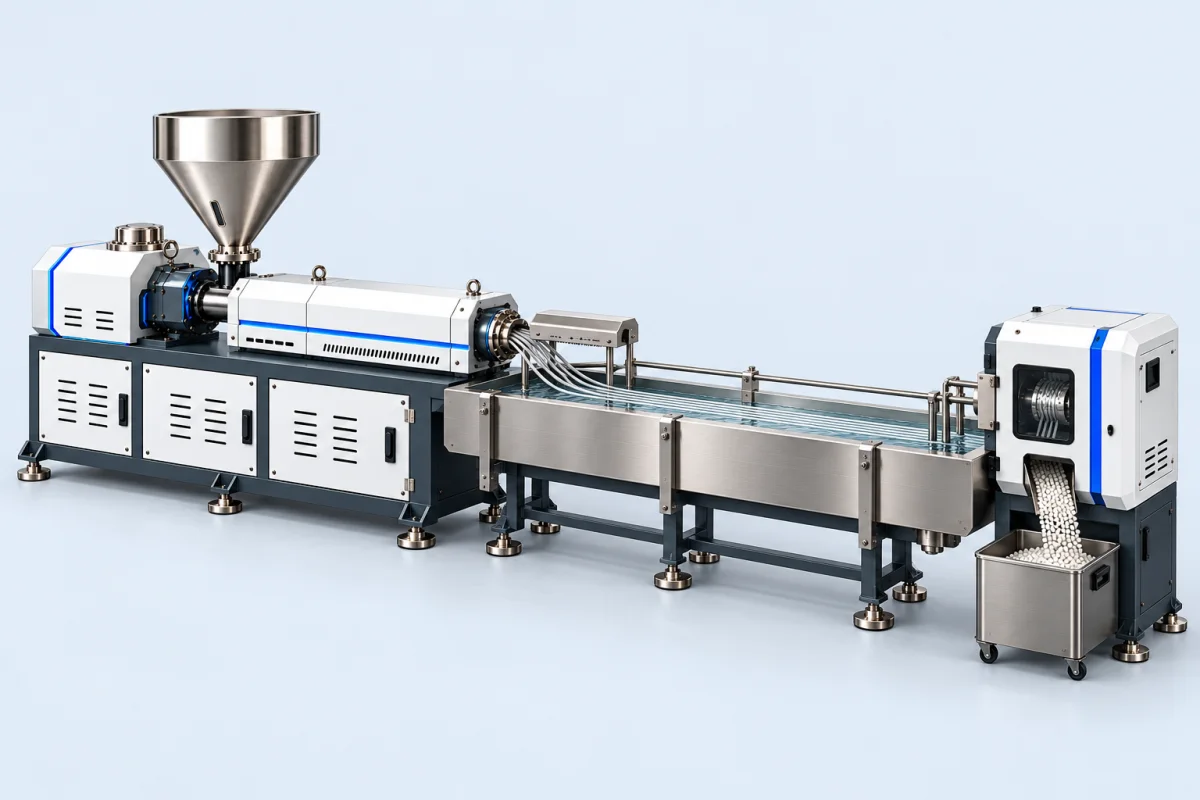
Two stages. Each with a defined process duty.

Two-Stage Pelletizing Machine

Assess a two-stage pelletizing machine when the material and melt-treatment requirements justify separate processing duties. ARKPM develops the stage interface, filtration, venting and pellet finishing together, with a clear reason for the staged configuration.

Characterized PE recycling streamsCharacterized PP recycling streamsPrinted or moisture-bearing feeds only after suitability review
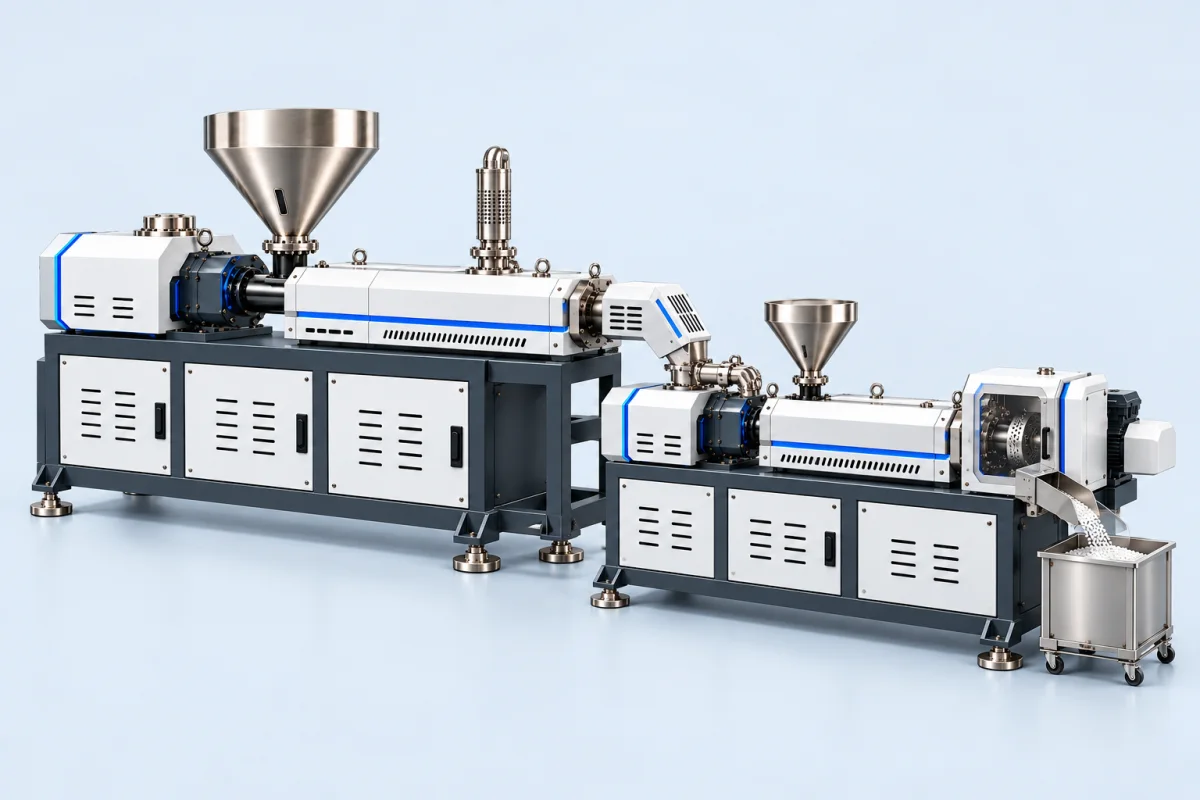
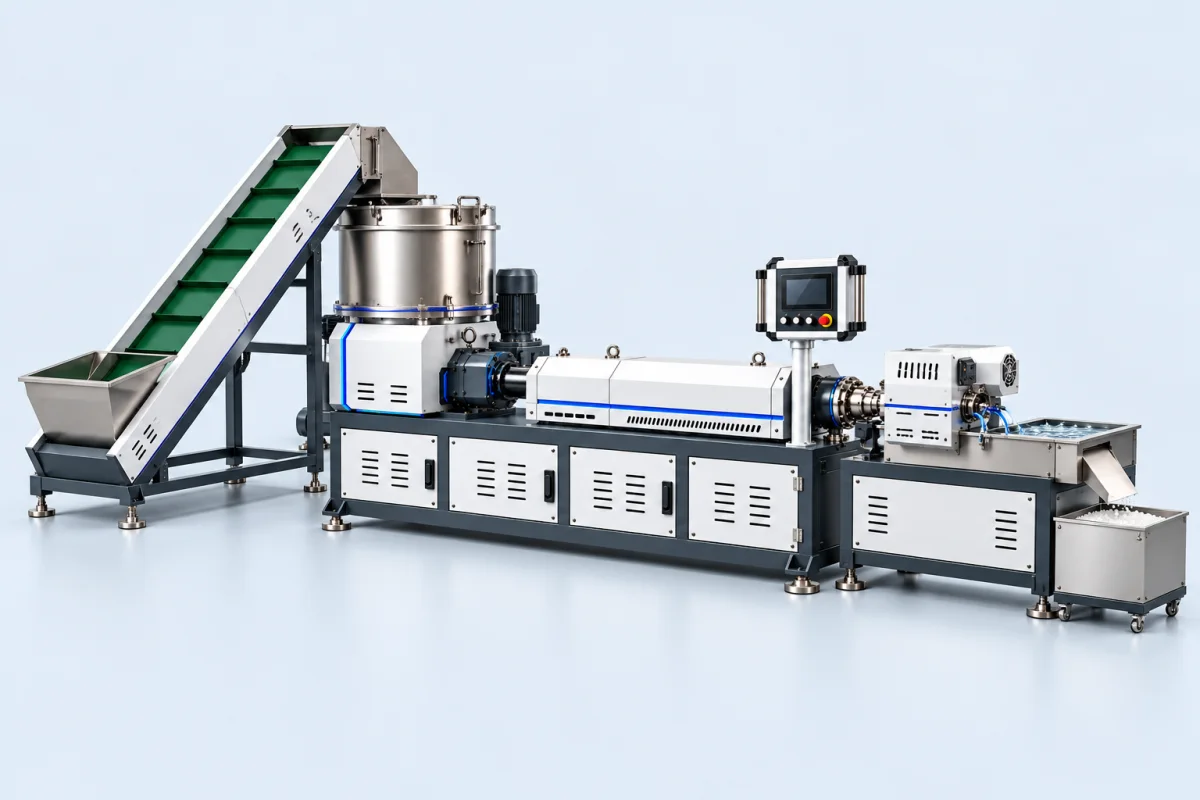
Two connected plastic pelletizing stages
Equipment layout. Tailored to your production requirements.
THE APPLICATION

Start with what
the line needs to do.

A double stage pelletizing arrangement should explain what each stage contributes to the final pellet. ARKPM starts with the material condition and the unresolved processing requirement, then reviews how melting, treatment, transfer and discharge can be coordinated. Printed or moisture-bearing PE and PP streams require representative material assessment before their suitability is established. Filtration location, venting and pellet finishing are specified for that feed. The proposal also addresses transfer access, startup coordination and utility requirements, allowing you to compare the staged option with a simpler configuration against the same production brief.

Applications to discuss

  • Projects requiring separately defined melt-treatment duties
  • Recycling routes with an assessed venting requirement
  • Pellet production with a justified staged process
All configurations are reviewed against a defined material and product specification.
CONFIGURATION

The building blocks
of your line.

01

First-stage responsibility

Specify what the first stage must deliver, including melt condition and the interface to downstream treatment. Its function should be described in process terms rather than only by motor or screw dimensions.

02

Transfer and second stage

Review transfer geometry, temperature control, access and response to interrupted flow. The second stage should have a defined role and an operating relationship with the first, including startup and shutdown coordination.

03

Treatment and pellet discharge

Select filtration, venting and cutting arrangements as a connected system. Their order and capability depend on the design and material; a generic two-stage label does not describe the complete process route.

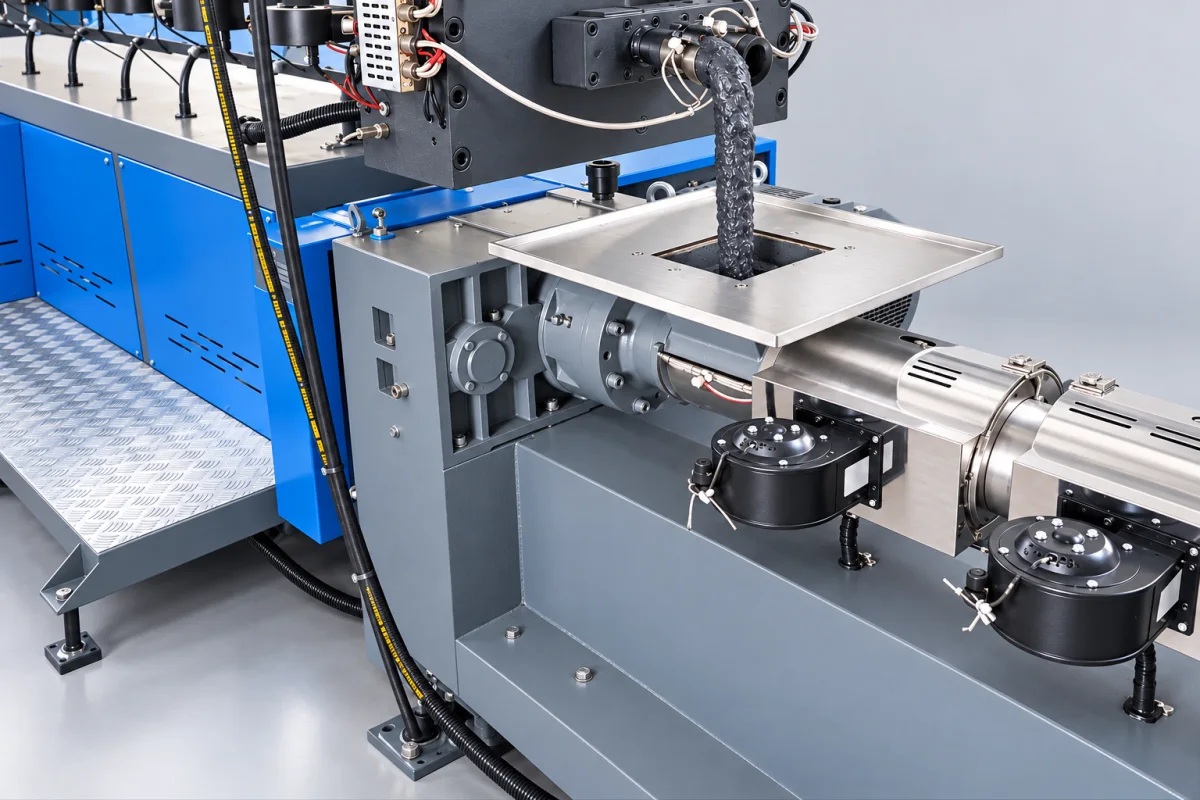
Connection and transfer assembly between extrusion stages
Connection between the extrusion stages.

Connect the processing stages

The transfer between stages needs a clear operating brief. Review the connection, heating, cleaning access and response to interrupted flow. Define the condition leaving the first extruder and the task of the second so the customized interface supports the agreed treatment sequence.
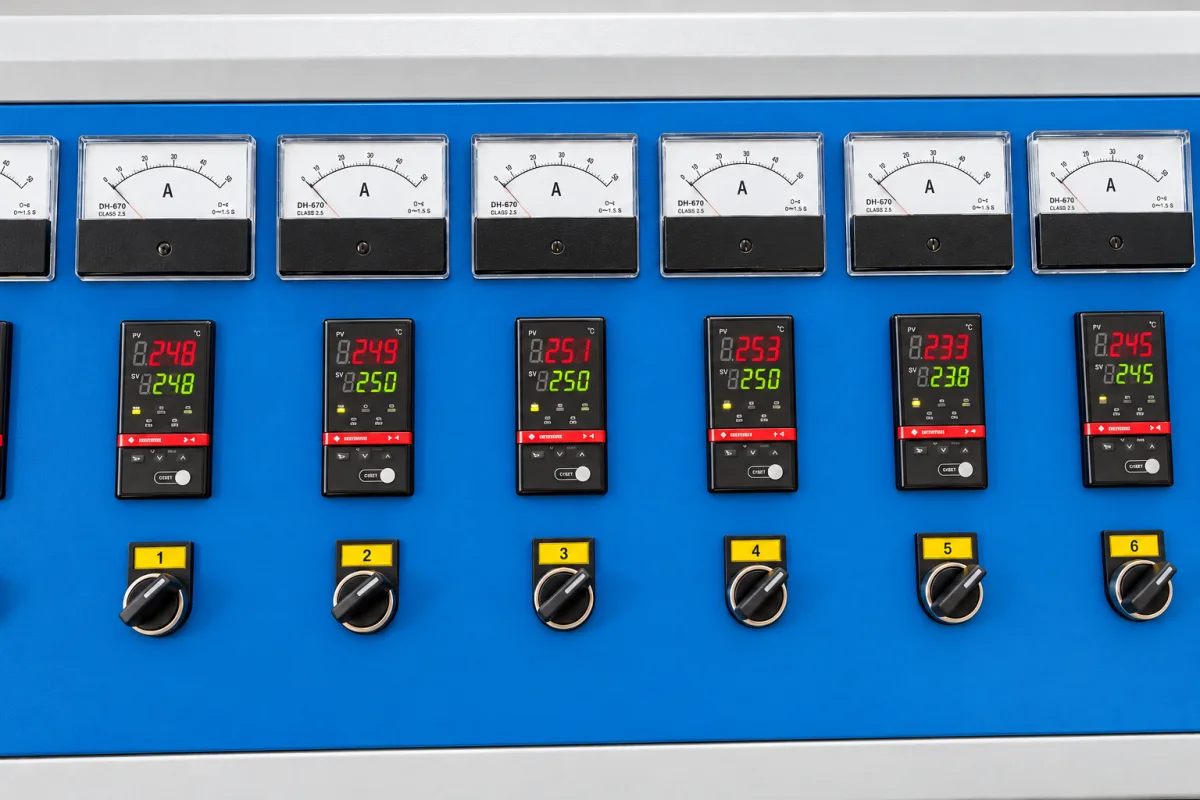
Extrusion temperature-zone controls and operating settings
Temperature-zone controls and operating settings.

Coordinate temperature and operation

Temperature controls support the operating relationship between the two extrusion stages. Discuss which zones operators need to monitor, how settings are adjusted and what alarm conditions require action. The control arrangement can be customized together with startup, shutdown and maintenance procedures.

PROCESS THINKING

A considered route
through the process.

01

Identify the unresolved need

Begin with the problem the extra stage is intended to address. Provide material evidence, current quality observations and the intended pellet use so the proposal can explain the engineering rationale.

02

Compare process alternatives

Consider a simpler configuration alongside the staged option where appropriate. Compare scope, operating demands, maintenance access and validation requirements using the same feedstock assumptions and finished-pellet criteria.

03

Verify stage coordination

Agree a trial that checks stable transfer and finished output together. Record changes in feeding, filtration or vent behavior, and establish what operators should observe when the incoming material varies.

PROJECT SPECIFICATION

The parameters we define together.

These are project inputs and configuration decisions. Performance is agreed against the material and product specification.

ParameterWhat to define
Reason for two stagesDescribe the material or operating issue that prompts a staged arrangement. Provide current observations where available so each stage can be assigned a clear purpose.
Material operating rangeIdentify the PE or PP stream, printing history, preparation and expected variation. Printed or moisture-bearing material requires sample assessment before suitability is confirmed.
Stage interfaceDefine the delivery condition between stages, transfer route, temperature control and access. Include coordinated startup, interruption handling and shutdown requirements.
Filtration and ventingAgree the treatment functions and their sequence for the selected material. State service access, monitoring and validation needs, distinguishing included equipment from optional provisions.
Finished-pellet requirementProvide intended reuse, desired output and quality checks. Evaluate the complete arrangement using the same feed condition and acceptance criteria as any alternative configuration.
Layout and operating scopeAllow for both processing stages, transfer maintenance and pellet collection. Supply utility information and operator requirements before the proposed footprint and controls are finalized.
Two-stage describes the processing arrangement, not the number of screws in an extruder. Stage count alone establishes neither material suitability nor odor removal; the proposal defines the actual treatment duties and validation method.
CUSTOMIZATION

Made specific to your project.

Every ARKPM product family supports customization. These are the decisions that give the configuration its purpose.

Process sequence

Discuss the sequence of treatment functions and the reason for each. Any additional filtration or venting provision should be justified for the application and identified as included, optional or outside scope.

Controls and operator access

Define how operators monitor both stages, respond to interruptions and reach service points. Interface signals and operating responsibilities matter particularly when the proposed equipment joins an existing upstream process.

Footprint and utilities

Review the staged layout against available space and utility capacity. Allow for transfer access, maintenance and pellet handling rather than comparing only the floor area occupied by the two extruders.

YOUR PROJECT BRIEF

A useful proposal
begins here.

Share the information you have. Keep open questions visible so they can be resolved in the technical discussion.

What to send us

  • Representative material and condition data
  • Reason for considering a second stage
  • Target pellet acceptance and intended reuse
  • Existing process observations where available
  • Plant space, utilities and maintenance constraints
QUESTIONS ABOUT THIS LINE

Before you choose
a configuration.

Is two-stage always better than single-stage?

No. The extra stage needs a specific process purpose. A simpler configuration may suit a stable material stream, while a staged arrangement may be worth assessing for other conditions.

Will it eliminate odors?

No universal odor-removal claim is appropriate. The source and nature of volatile substances, material history and treatment design require assessment, with an agreed method for evaluating the resulting pellets.

Does two-stage mean twin-screw?

No. Stage count describes the process arrangement; screw configuration describes an extruder. The proposal should identify both explicitly, including the role and specification of every processing unit.

Why does a two-stage quotation differ from a single-stage quotation?

A second processing unit adds a stage interface, controls, service access and utility requirements. Compare those provisions against the specific treatment duty they support, using identical feedstock and pellet criteria. The additional scope should be explained in the quotation.

What information helps ARKPM assess a staged configuration?

Provide representative material, preparation and printing history, the intended pellet use and the issue you need to address. Existing trial observations, output goals and available floor space help define whether a two-stage arrangement warrants further evaluation.

PLAN THE PURCHASE

Read before you request a quotation.

CONTINUE EXPLORING

Related product families.

A configurable film recycling and pelletizing system
Plastic recycling machines · Custom configuration

Plastic Film Recycling Machine

Configure a route from identified PE or PP film scrap to pellets, with film intake, melt treatment and collection matched to the incoming condition and intended reuse.

Explore this line
A rigid-plastic recycling and pelletizing system
Plastic recycling machines · Custom configuration

Rigid Plastic Recycling Machine

Process identified rigid regrind through a custom extrusion and pelletizing arrangement, with particle condition, feeding, filtration and the next pellet application considered together in the project brief.

Explore this line

Configure your recycling project.

Share your material, output requirements and site information for a project-specific proposal.

Request a line proposal