跳到主要内容
Skip to content
Prepared rigid scrap. A defined pelletizing route.

Rigid Plastic Recycling Machine

Develop a rigid plastic recycling machine configuration for identified HDPE or PP regrind. Match particle size, feeding, filtration and pellet finishing to your prepared scrap, with existing upstream equipment and the intended pellet use included in the review.

Identified HDPE regrindIdentified PP regrindOther rigid thermoplastics only after separate assessment
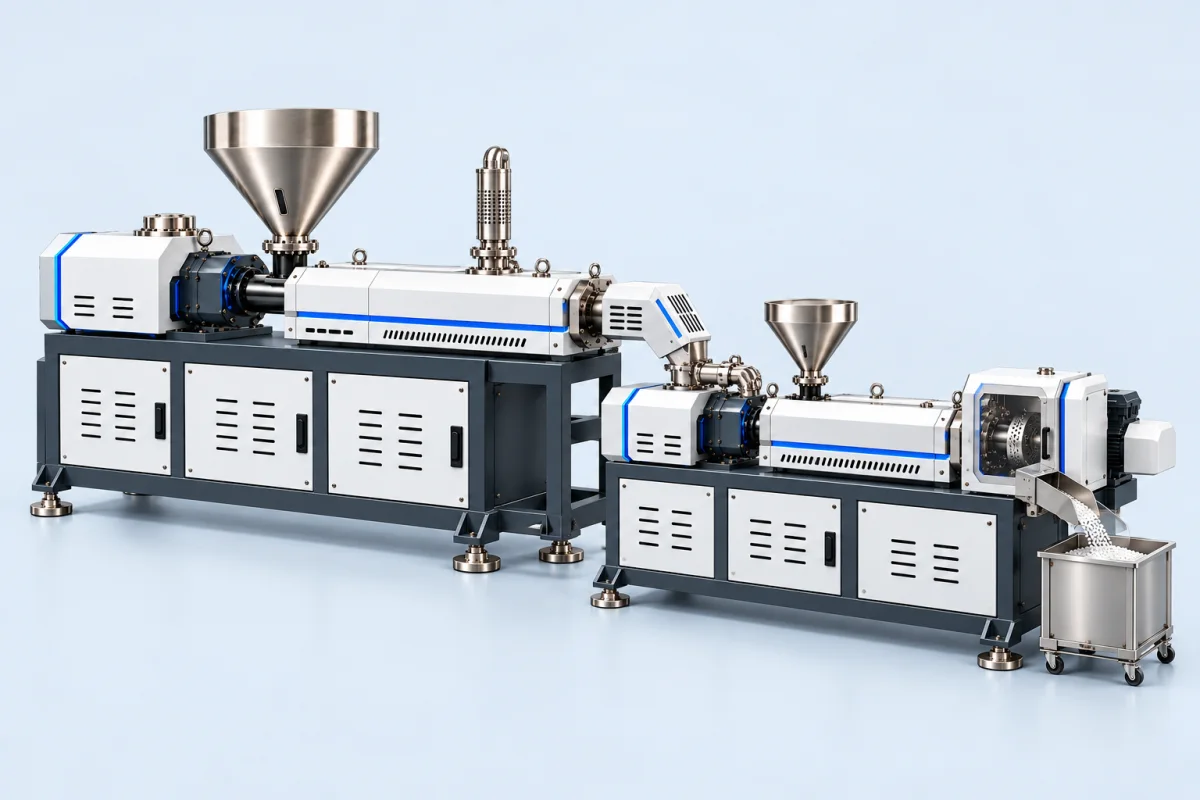
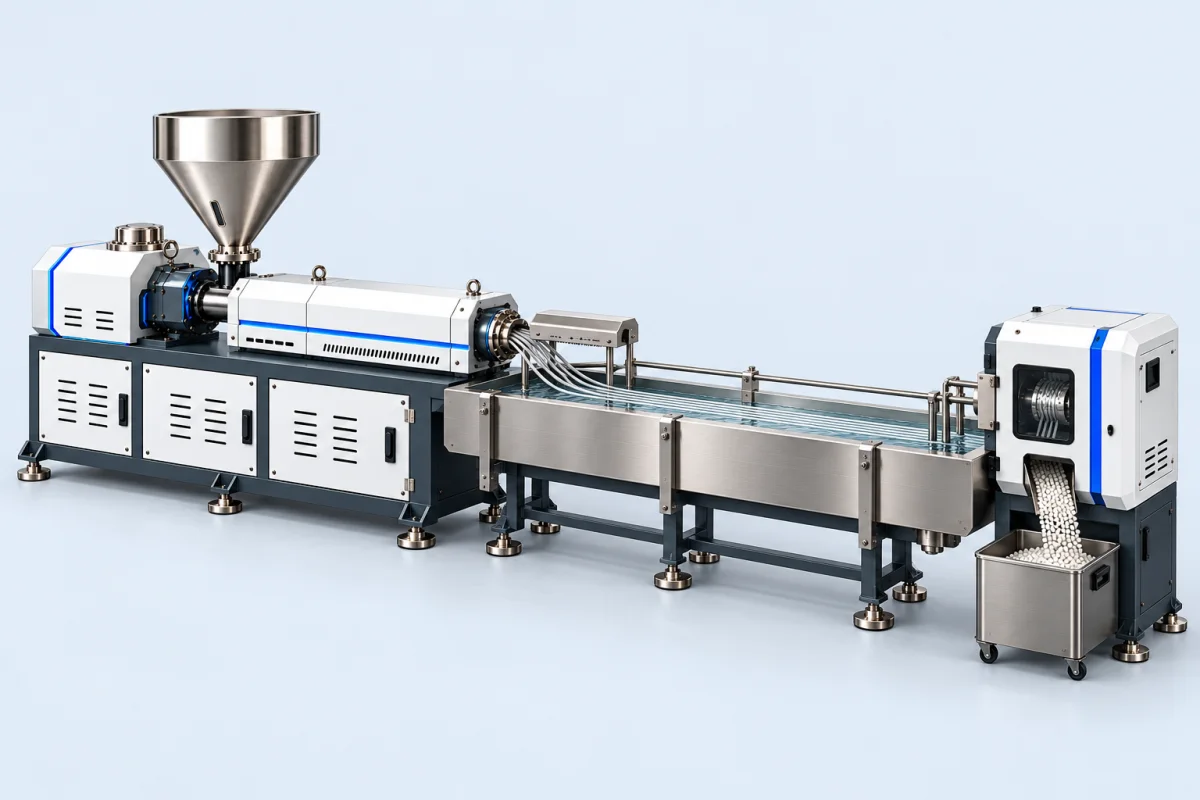
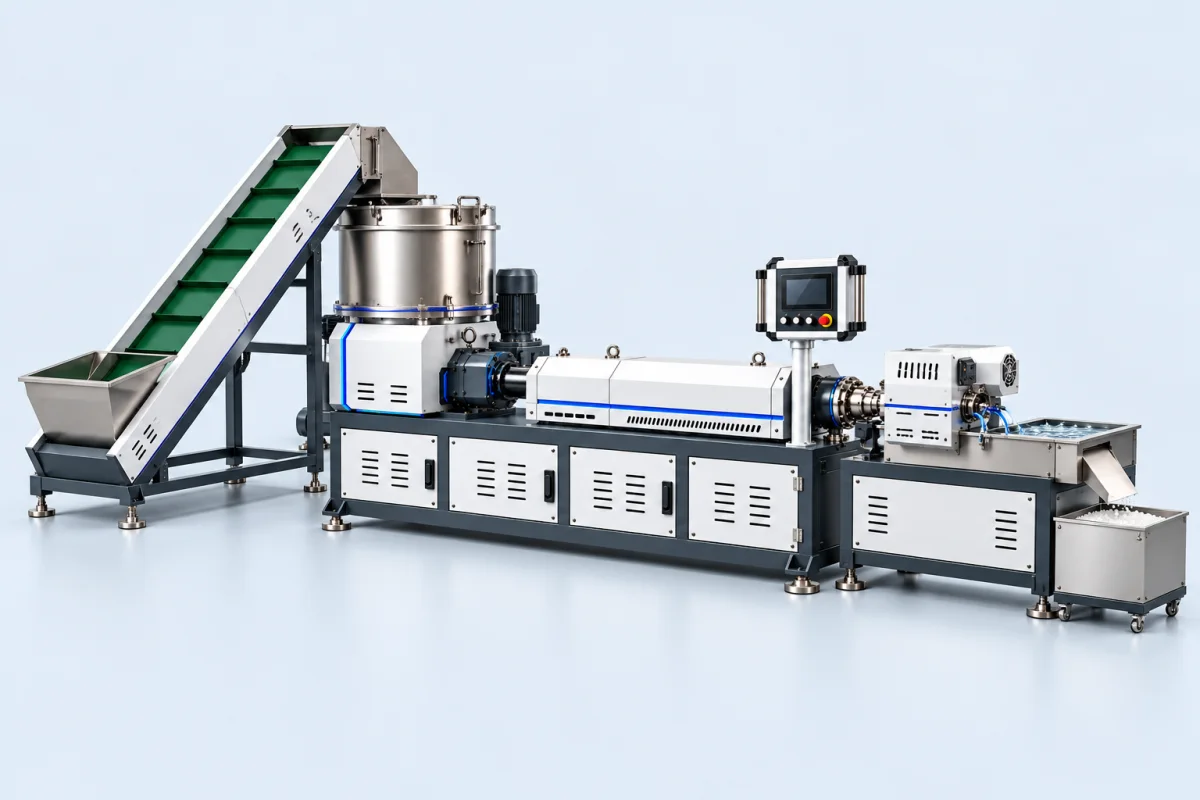
A rigid-plastic recycling and pelletizing system
Equipment layout. Tailored to your production requirements.
THE APPLICATION

Start with what
the line needs to do.

Molding rejects, pipe offcuts and recovered container flakes need different preparation checks before pelletizing. ARKPM develops the hard plastic recycling configuration around the actual prepared feed: its polymer identity, particle distribution, contamination and intended reuse. The equipment discussion connects controlled feeding, extrusion, filtration and pellet finishing, while retaining a clear interface to your existing size-reduction or washing process. HDPE and PP regrind are assessed as identified streams, including any colors and formulations that will share the line. The resulting proposal defines the acceptable incoming condition and the checks needed to evaluate finished pellets.

Applications to discuss

  • Segregated molding rejects
  • Prepared pipe and profile offcuts
  • Sorted, washed rigid-container flakes
All configurations are reviewed against a defined material and product specification.
CONFIGURATION

The building blocks
of your line.

01

Preparation boundary

Define whether the project starts with whole rejects, shredded pieces or washed flakes. Size reduction, sorting and drying need an explicit scope, including who supplies each stage and its output condition.

02

Feeding and extrusion

Review flake size distribution, fines, bulk flow and formulation history when selecting the feed arrangement. Stable delivery to the extruder is a different requirement from simply fitting material through a hopper.

03

Filtration and finishing

Discuss the expected solid contamination, suitable melt filtration and pellet handling route. The final arrangement should reflect the intended reuse and the way finished pellets will be tested, stored and shipped.

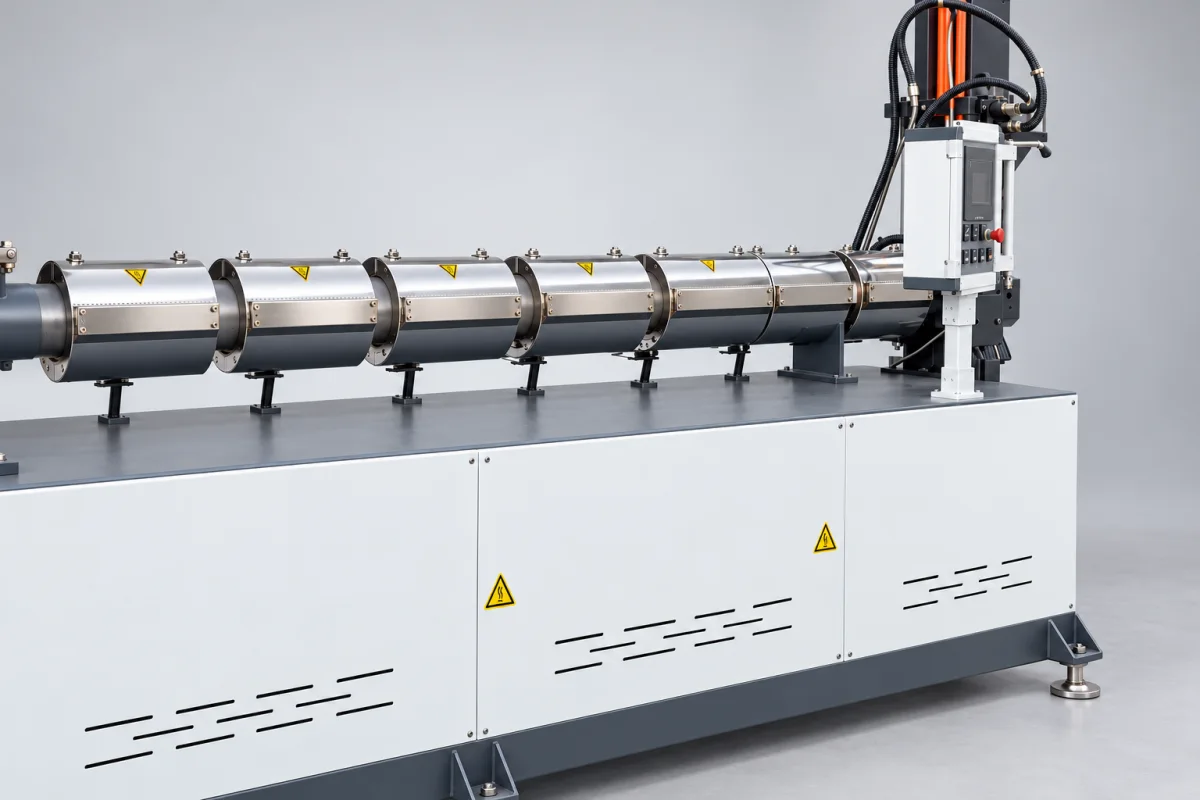
Extruder barrel with separate heating zones and connections
Barrel heating zones and service connections.

Heating along the barrel

Prepared regrind needs a processing approach suited to its resin grade and condition. Review barrel heating, temperature monitoring and access for maintenance together with the feed arrangement. These details help define a customized extrusion platform around the material and the intended pellet application.
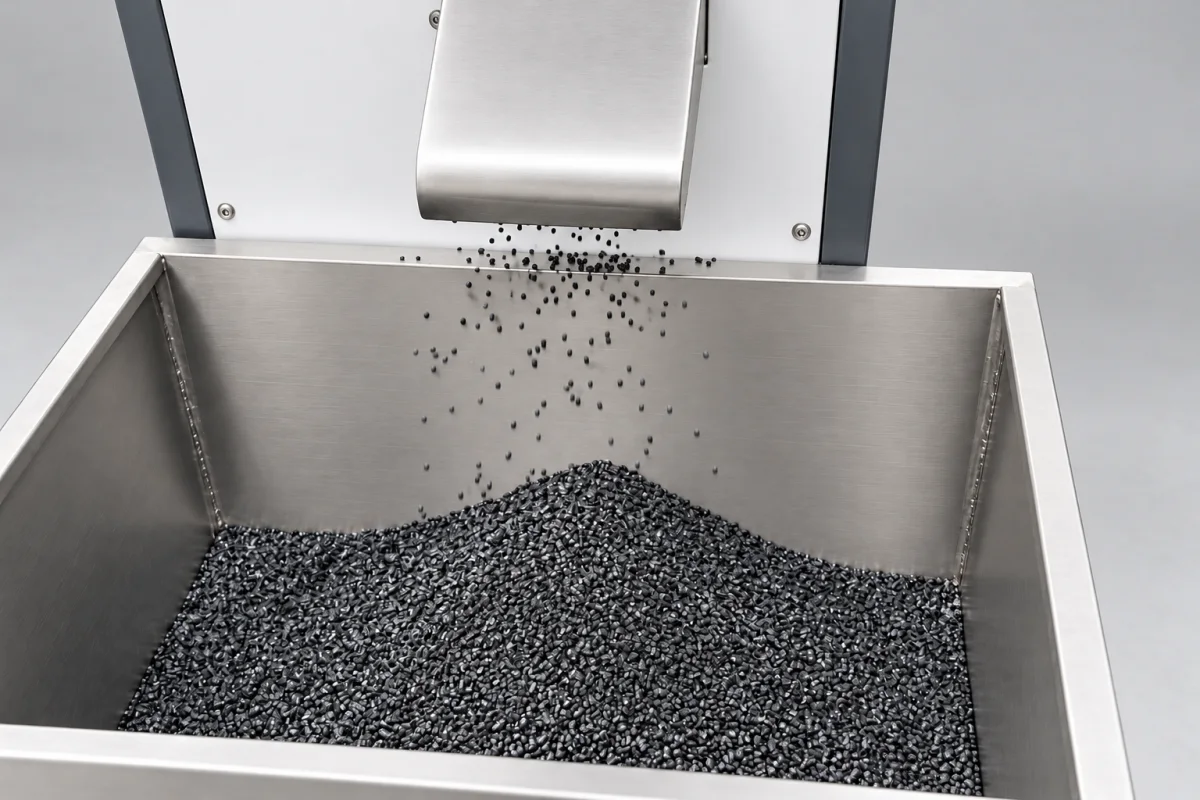
Pellet collection outlet and discharge chute
Pellet outlet and collection access.

Plan the pellet collection point

The pellet outlet is an interface with your next handling step. Discuss collection height, container access, cleaning and whether pellets move to storage or another process. Outlet and collection arrangements can be customized alongside the selected cooling, separation and pelletizing equipment.

PROCESS THINKING

A considered route
through the process.

01

Separate the material streams

Document the resin families and sources you intend to process. Keep clean production scrap and more variable recovered flakes distinguishable during evaluation, even if both are described as rigid plastic.

02

Confirm preparation quality

Agree measurable incoming conditions and a method for checking each lot. Include oversize pieces, residual contaminants, moisture and fines so deviations can be recognized before processing problems reach the pellet stage.

03

Evaluate consistent production

Assess a representative run against the agreed output and quality criteria. Include filter servicing, startup losses and material handling in the review, rather than recording only a favorable steady-state interval.

PROJECT SPECIFICATION

The parameters we define together.

These are project inputs and configuration decisions. Performance is agreed against the material and product specification.

ParameterWhat to define
Resin and scrap sourceIdentify HDPE or PP grades, source products and any mixed formulations. Keep production rejects and recovered container flakes distinguishable during sample review.
Particle specificationProvide regrind dimensions, size distribution, fines and moisture information. Describe the preparation stage that delivers material to the extruder intake.
Feeding arrangementReview bulk flow, storage and transfer from bins or upstream equipment. Define discharge height, buffering and the feeding controls needed for the intended operation.
Pellet acceptanceState intended reuse, appearance and contamination criteria. Select filtration and finishing around these requirements, including who performs the agreed material tests.
Production and changeoversProvide the target output, shift pattern, colors and grades to be processed. Review cleaning access and changeover expectations as part of the configuration.
Upstream and site scopeList existing granulators, washing or drying equipment, their delivery conditions and site utilities. Record equipment supplied by ARKPM, retained equipment and work by others separately.
This proposal starts at the agreed prepared-feed handover. Size reduction, washing and drying equipment, and connections to your existing plant, must be identified separately in the supply schedule.
CUSTOMIZATION

Made specific to your project.

Every ARKPM product family supports customization. These are the decisions that give the configuration its purpose.

Upstream integration

Discuss connections to existing granulators, washing equipment and storage. Discharge height, transfer method and buffer capacity should be reviewed together to avoid an otherwise capable processing stage being starved or overfilled.

Changeover requirements

List the colors, formulations and materials that will share the line. Cleaning access and changeover expectations should be considered early, particularly when the next pellet application has stricter appearance requirements.

Inspection and collection

Define sampling points, lot identification and the desired collection format. The proposal can then distinguish equipment functions from the laboratory checks and material-release responsibilities that remain with your operation.

YOUR PROJECT BRIEF

A useful proposal
begins here.

Share the information you have. Keep open questions visible so they can be resolved in the technical discussion.

What to send us

  • Material source and resin identification
  • Particle-size information and representative samples
  • Preparation equipment already available
  • Contamination, moisture and fines observations
  • Pellet specification and site utility information
QUESTIONS ABOUT THIS LINE

Before you choose
a configuration.

Can bottles and molding rejects use one line?

Potentially, if their polymers, preparation and quality needs fit the agreed processing envelope. They should be evaluated as distinct feeds; common appearance does not establish compatibility.

Will melt filtration remove another polymer?

Do not assume it will. Melt filtration addresses suitable solid contaminants, while incompatible polymers may also melt. Sorting and feedstock control remain necessary parts of the project.

Can existing preparation equipment be retained?

It can be considered after its actual discharge condition and operating limits are reviewed. A connection drawing alone does not confirm that it can consistently supply suitable feed.

Which details determine the equipment quotation?

Regrind geometry, incoming condition, target output, filtration duty and collection format influence the proposed system. Retained preparation equipment and required controls also affect the supply scope. Share a representative material description before comparing prices.

Can I request a proposal before laboratory results are available?

Yes. Start with resin identity, source products, photographs, preparation details and your intended pellet application. State which observations are estimates. The review can then identify the material evidence and acceptance checks needed before a final configuration is agreed.

PLAN THE PURCHASE

Read before you request a quotation.

CONTINUE EXPLORING

Related product families.

A configurable film recycling and pelletizing system
Plastic recycling machines · Custom configuration

Plastic Film Recycling Machine

Configure a route from identified PE or PP film scrap to pellets, with film intake, melt treatment and collection matched to the incoming condition and intended reuse.

Explore this line
Two connected plastic pelletizing stages
Plastic recycling machines · Custom configuration

Two-Stage Pelletizing Machine

Assess two connected processing stages when the material review supports separate melt-treatment duties, with transfer, filtration, venting and pellet finishing defined together for the proposed recycling process.

Explore this line

Configure your recycling project.

Share your material, output requirements and site information for a project-specific proposal.

Request a line proposal